How to Find the Diameter From the Circumference
Reverse the circle formula to find diameter from circumference. The simple equation, worked examples, and a free calculator to do it instantly.
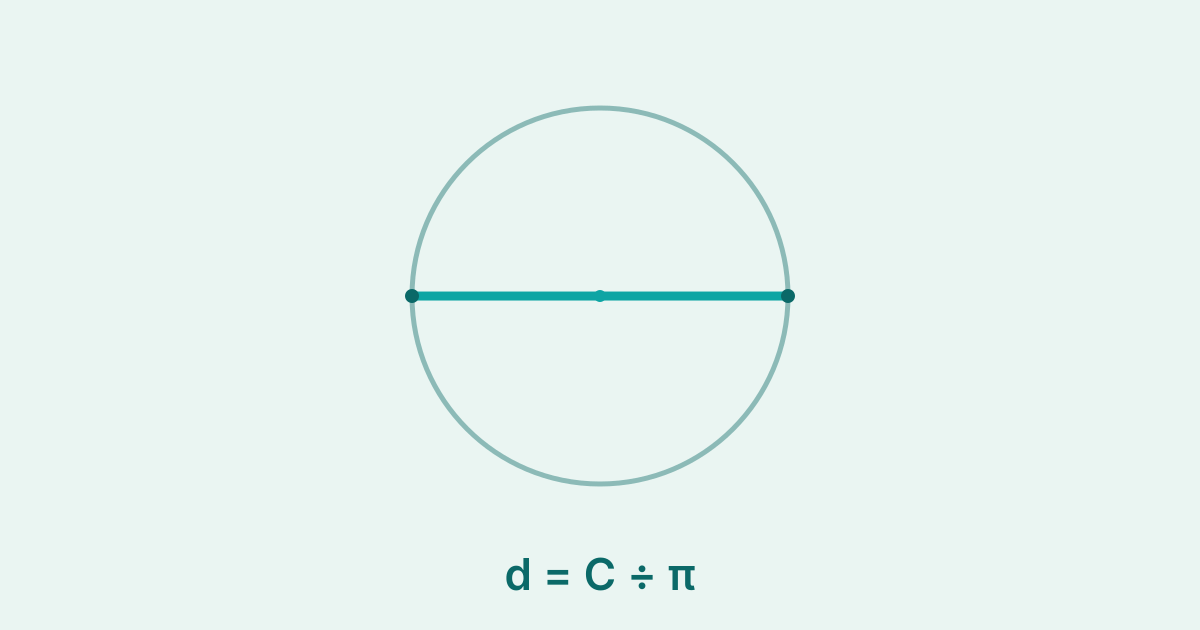
To find the diameter of a circle from its circumference, divide the circumference by pi: d = C ÷ π. That single step is all it takes. If a circle measures 31.4 centimeters around, its diameter is 31.4 ÷ 3.14159 = 10 centimeters.
This reverse calculation comes up more often than you might expect, especially when you can measure around an object but can’t measure straight across it. Let me show you where it comes from and how to use it confidently.
Where the formula comes from
You probably know the forward formula for circumference:
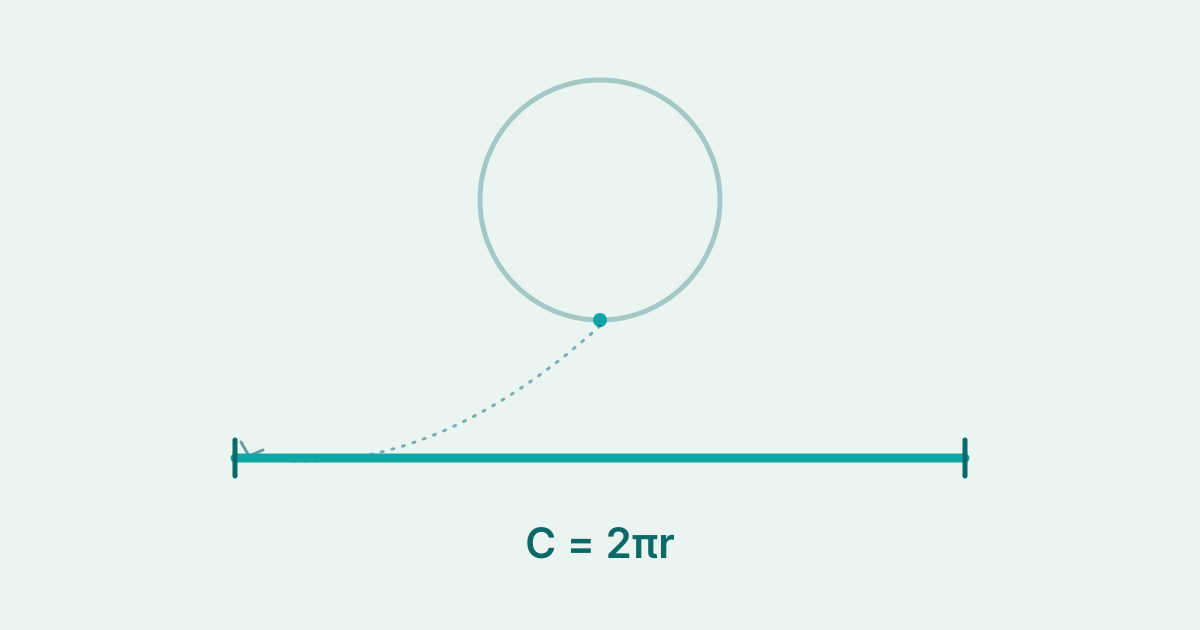
C = πd — circumference equals pi times the diameter.
Finding the diameter is just running that backward. If circumference is diameter multiplied by pi, then diameter is circumference divided by pi:
d = C ÷ π
That’s it. No new ideas — just rearranging the equation you already have.
Worked examples
Example 1. A circular tabletop measures 250 cm around. d = 250 ÷ 3.14159 = 79.58 cm across.
Example 2. A tree trunk has a circumference of 1.5 meters. d = 1.5 ÷ 3.14159 = 0.48 meters, or about 48 cm.
Example 3. A pipe measures 88 mm around the outside. d = 88 ÷ 3.14159 = 28.01 mm in diameter.
In each case, the move is identical: take the distance around, divide by pi, and you have the distance across.
Why this is so useful in practice
Here’s the situation I run into on real projects. There’s an existing round column, and I need its diameter to design something that fits — a new base, a collar, a wrapping detail. But the column is standing against a wall, or it’s too thick to measure straight across with any accuracy.
What I can do is wrap a tape measure around it. That gives me the circumference directly. Then d = C ÷ π hands me the diameter without ever needing to reach across the object. It’s the difference between a measurement I can actually take and one I can’t.
The same trick works for tree trunks (foresters use it constantly), pipes, cylindrical tanks, and anything round where reaching across is awkward but wrapping around is easy.
Finding the radius too
If you need the radius instead of the diameter, just take one more small step. The radius is half the diameter:
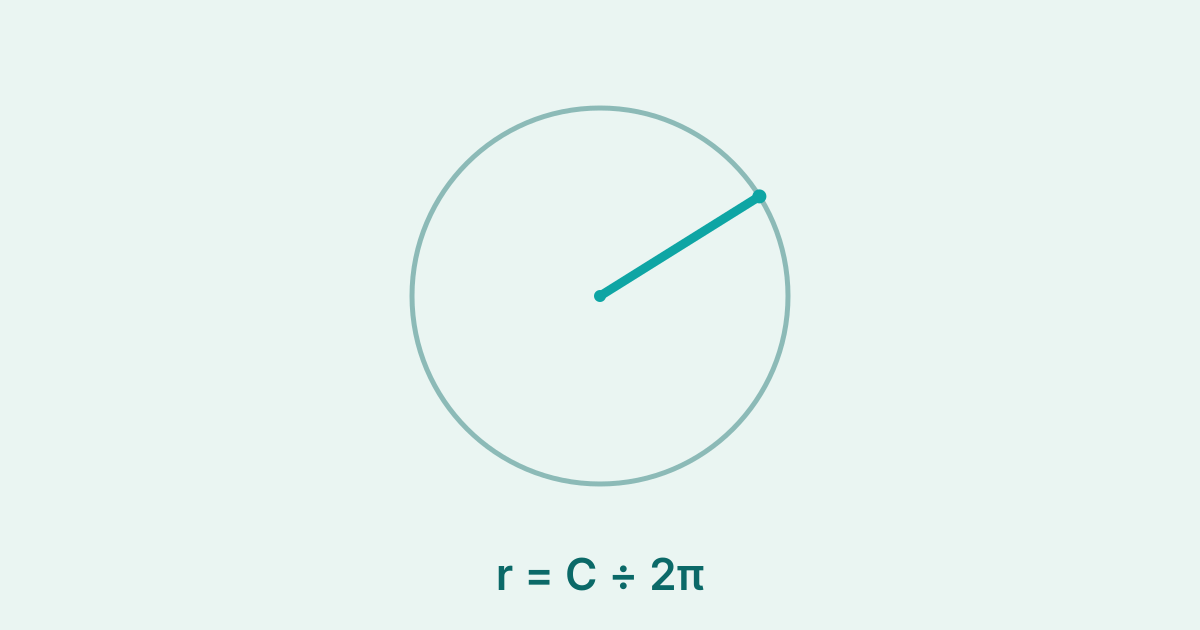
r = d ÷ 2, or directly, r = C ÷ (2π)
From Example 1 above, the tabletop’s radius would be 79.58 ÷ 2 = 39.79 cm.
To go from circumference straight to radius, diameter, and area all at once, the circumference calculator does every conversion in a single step — type in what you measured, read off the rest.
Quick reference
Starting from the circumference:
- Diameter: d = C ÷ π
- Radius: r = C ÷ (2π)
- Area: A = C² ÷ (4π)
All three come from the same circumference measurement, so once you’ve wrapped your tape around an object, you can find everything else about its circle.
Frequently asked questions
What is the formula to find diameter from circumference? Divide the circumference by pi: d = C ÷ π. For example, a circumference of 31.4 cm gives a diameter of 10 cm.
How do I find the radius from the circumference? Divide the circumference by 2π: r = C ÷ (2π). The radius is always half the diameter.
What value of pi should I use? 3.14159 is precise enough for everyday and most professional work. For exact results, use a calculator’s pi function, which carries many more digits.
Why would I measure circumference instead of diameter? Because it’s often easier. You can wrap a tape measure around a column, trunk, or pipe even when you can’t reach straight across it. Then you calculate the diameter from that measurement.
Can I find the area if I only know the circumference? Yes. Use A = C² ÷ (4π) — square the circumference, then divide by four times pi.
Related posts

Circumference vs. Perimeter: What's the Difference?
Circumference and perimeter both measure the distance around a shape. Here's the simple difference, when to use each word, and how to calculate both.
How to Calculate the Circumference of a Circle (4 Simple Methods)
Find the circumference of any circle from its radius, diameter, or area. Clear formulas, step-by-step worked examples, and a free calculator to check your answer.
How to Find the Radius From the Circumference (With Examples)
How to find the radius from the circumference using r = C ÷ (2π). Simple steps and worked examples, plus a free calculator that does it instantly.